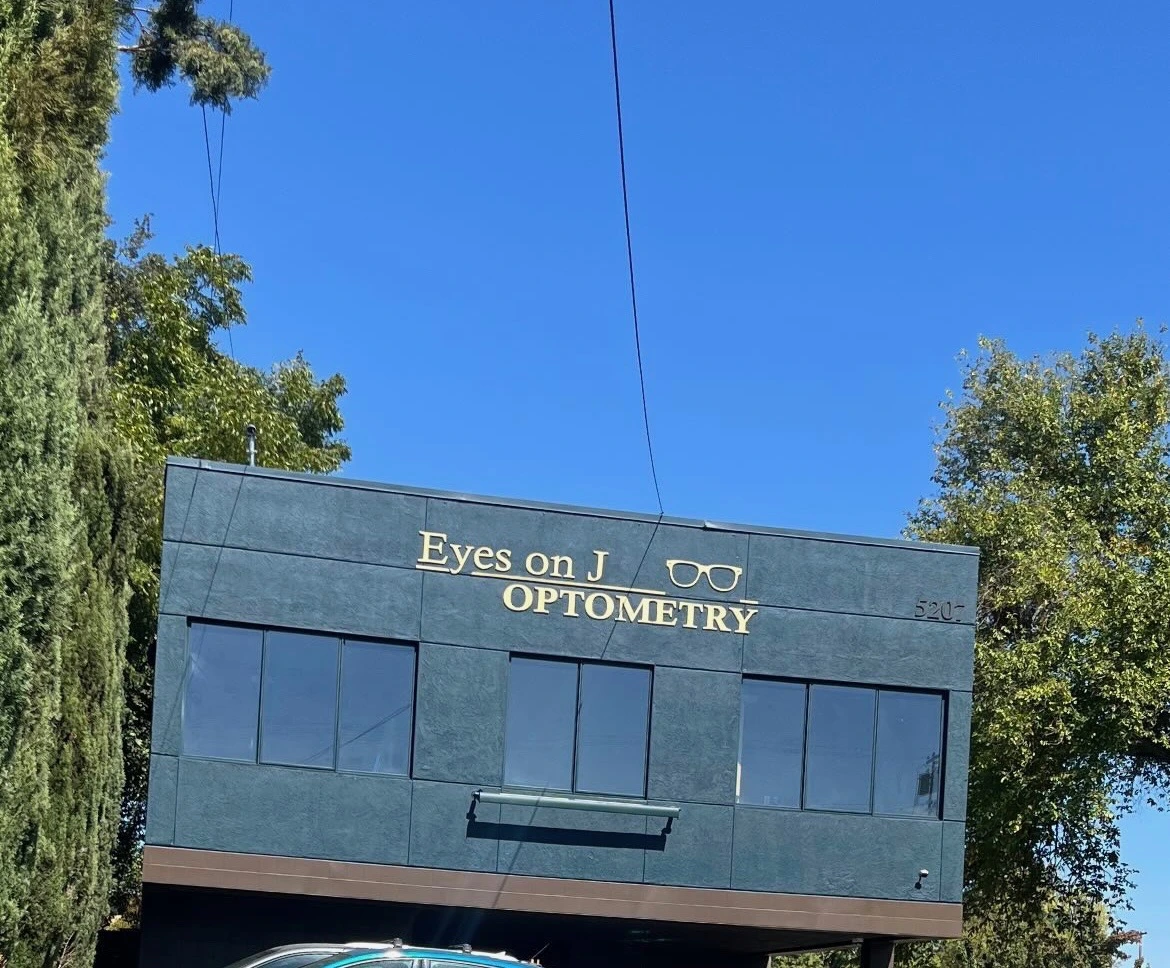
The Challenge
Medical-office fit-outs in California must satisfy high documentation expectations, including energy-code alignment and system-level consistency across plans, notes, and schedules. Optometry spaces further require lighting and comfort conditions tuned to exam workflows, not generic office assumptions.
TS9Designs needed to produce a code-ready package that supported exam-lane precision, patient experience, and clinic operations while avoiding design decisions that would compromise reliability after turnover.
Design Strategy
Mechanical
We developed zone-level HVAC assumptions for exam, retail, and staff areas, then documented outdoor-air and distribution strategy to maintain stable comfort and indoor air quality through daily patient cycles.
Electrical
Service and panel planning considered sensitive equipment loads, dedicated circuits, and controllable lighting scenes. Lighting strategy supported exam requirements and retail visibility while aligning with California energy-control expectations.
Plumbing
Plumbing design included fixture-unit-based sizing, handwashing support near clinical functions, and hot-water planning to match usage rhythms. Routing was coordinated for maintainability and clean integration with architectural constraints.
Coordination and QA
TS9Designs completed cross-discipline QA to ensure schedules, connected loads, ventilation assumptions, and notes remained internally consistent before permit issue.
Permitting and Code Approach
The set was organized to support Sacramento review processes and California code compliance workflows, with emphasis on transparent assumptions and traceable calculation-backed schedules.
Construction Documentation Deliverables
- Sealed MEP permit set
- HVAC and ventilation summaries
- Service/panel schedules and load notes
- Fixture and plumbing coordination sheets
- Lighting and control intent documentation
- Coordination and QA notes for construction
Outcomes
The clinic received an MEP framework that supports exam function, patient comfort, and stable operations with reduced ambiguity for the field team. Documentation quality improved reviewer readability and construction clarity.
The project demonstrates how technical planning directly improves healthcare-space usability, not just compliance.
Educational Best Practices
- Treat exam-lane lighting as a clinical requirement, not a decorative one.
- Separate zone assumptions for exam and retail portions of the suite.
- Provide dedicated electrical support for sensitive instruments.
- Align controls strategy early with energy-code requirements.
- QA all schedules against final equipment assumptions.
Planning a medical-office build-out? TS9Designs delivers MEP engineering that is code-conscious, operationally practical, and purpose-built for healthcare workflows.