The Challenge
Restaurant projects are system-dense and schedule-sensitive. Kitchen heat rejection, hood exhaust compliance, dining comfort, power demand, and plumbing sanitation all need to be resolved before construction starts. In cold climates, make-up air strategy becomes especially critical for worker comfort and operational efficiency.
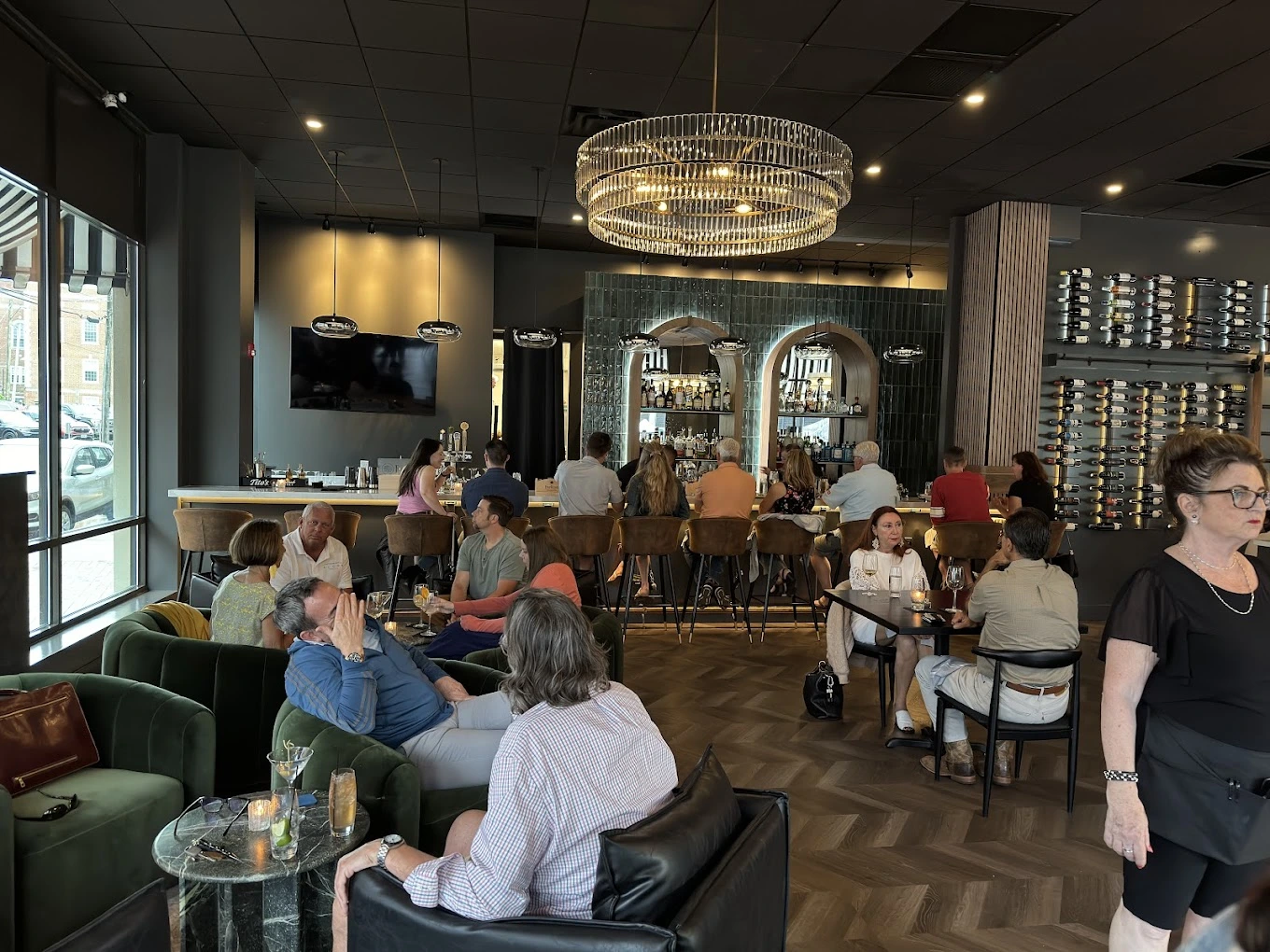
At La Dolce Vita, TS9Designs needed to align front-of-house design intent with back-of-house engineering demands while maintaining a permit-ready set that contractors could build without interpretation gaps.
Design Strategy
Mechanical
We performed zone-based load calculations for dining and kitchen conditions separately, then documented ventilation and hood support strategy with make-up air tempering assumptions appropriate for New Hampshire weather patterns.
Electrical
Service and panel planning used connected-load analysis with demand considerations, including dedicated support for major kitchen equipment. Lighting plans balanced ambience and task visibility with control logic aligned to energy code requirements.
Plumbing
Domestic water and sanitary systems were sized through fixture-unit methodology, including hot-water planning for kitchen and sanitation cycles. Waste and vent routing was coordinated to preserve functionality and maintainability.
Coordination and QA
Because TS9Designs handled architectural and MEP scopes together, we coordinated equipment footprints, pathways, and clearances early. QA checks ensured schedules, calculations, and notes remained internally consistent at issue.
Permitting and Code Approach
The permit package was structured to support review against applicable building, mechanical, plumbing, electrical, energy, and kitchen ventilation requirements, reducing avoidable review cycles.
Construction Documentation Deliverables
- Integrated architectural and MEP construction set
- Kitchen exhaust and ventilation documentation
- Electrical service and panel schedules
- Plumbing fixture and sanitary sizing notes
- Lighting + control intent documentation
- General code and coordination notes
Outcomes
The project moved forward with coordinated documents that support both permit review and field execution. The final design framework improves kitchen performance, dining comfort, and system maintainability.
Most importantly, the integrated approach reduced disconnects between design intent and engineering reality, producing a cleaner path from concept to operation.
Educational Best Practices
- Coordinate architectural and MEP scopes early in restaurant projects.
- Separate kitchen and dining thermal assumptions.
- Document make-up air strategy explicitly in cold climates.
- Reserve electrical flexibility for menu/equipment changes.
- Align sanitation-driven plumbing with operational workflow.
Planning a restaurant build-out? TS9Designs provides integrated architectural and MEP engineering that combines aesthetics, compliance, and operational performance.