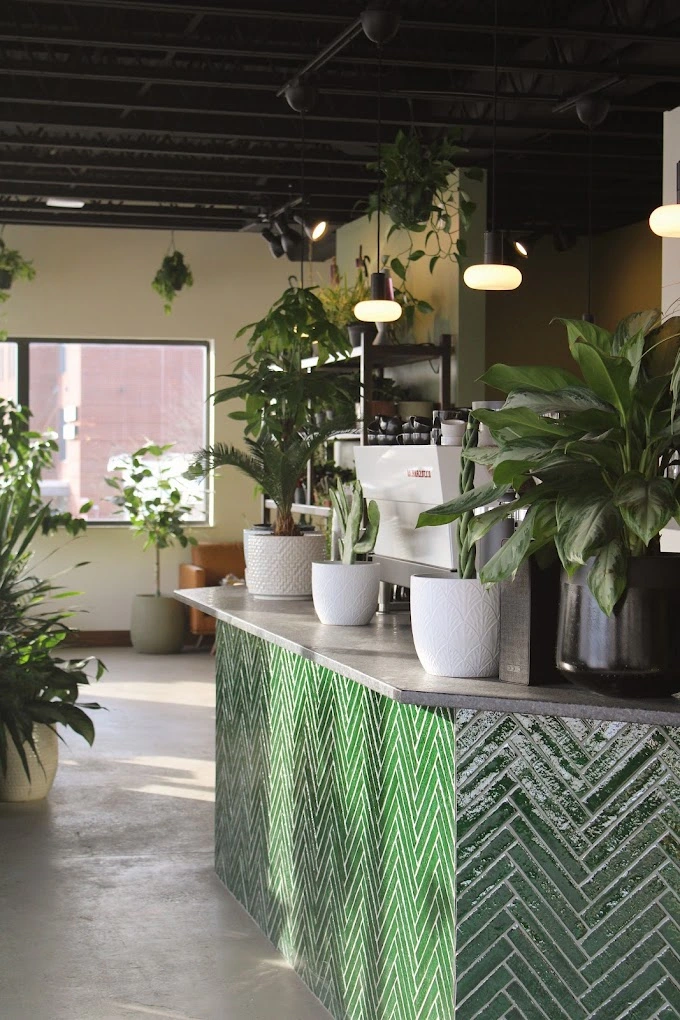
The Challenge
Cafe projects combine high equipment density with limited mechanical and electrical room for distribution. Espresso, refrigeration, dishwashing, and hot-water needs can exceed expectations for the square footage, creating infrastructure stress if loads are underestimated.
The project also required customer-facing ambiance without sacrificing operational throughput, making coordination between architectural intent and MEP planning essential from early design stages.
Design Strategy
Mechanical
TS9Designs established ventilation and thermal assumptions for both customer and bar zones, then coordinated equipment-driven exhaust needs with practical air distribution and comfort targets.
Electrical
Connected-load planning captured bar equipment, refrigeration, lighting, and support systems. Panel schedules and branch-circuit mapping were structured for reliability under peak service periods and future flexibility.
Plumbing
Fixture-unit and hot-water assumptions were built around real cafe sanitation and service cycles. Waste and vent routing were designed for maintainable back-of-house operations in a constrained layout.
Coordination and QA
Because TS9Designs delivered architecture and MEP together, equipment locations, pathways, and clearances were resolved early. QA checks validated consistency across plans, schedules, and calculation notes.
Permitting and Code Approach
The permit package emphasized reviewer-friendly clarity, with direct code references and practical schedule documentation to reduce interpretation friction during review and construction.
Construction Documentation Deliverables
- Integrated architectural and MEP permit set
- Ventilation and thermal strategy documentation
- Electrical load and panel schedules
- Plumbing fixture and routing notes
- Lighting and controls coordination
- Construction coordination details and notes
Outcomes
Conmigo Cafe moved forward with a coordinated design set tailored to both user experience and operational performance. The project demonstrates how compact hospitality spaces benefit from full-scope coordination rather than siloed design.
The final result supports smoother construction, stronger day-one functionality, and clearer long-term maintainability.
Educational Best Practices
- Do not underestimate coffee-shop electrical demand.
- Coordinate front-of-house mood with back-of-house performance.
- Size hot-water systems around service and sanitation peaks.
- Map branch circuits to actual equipment workflows.
- Use integrated architecture/MEP coordination in compact footprints.
Need a permit-ready cafe package that performs as well as it looks? TS9Designs provides integrated architectural and MEP planning for hospitality projects.