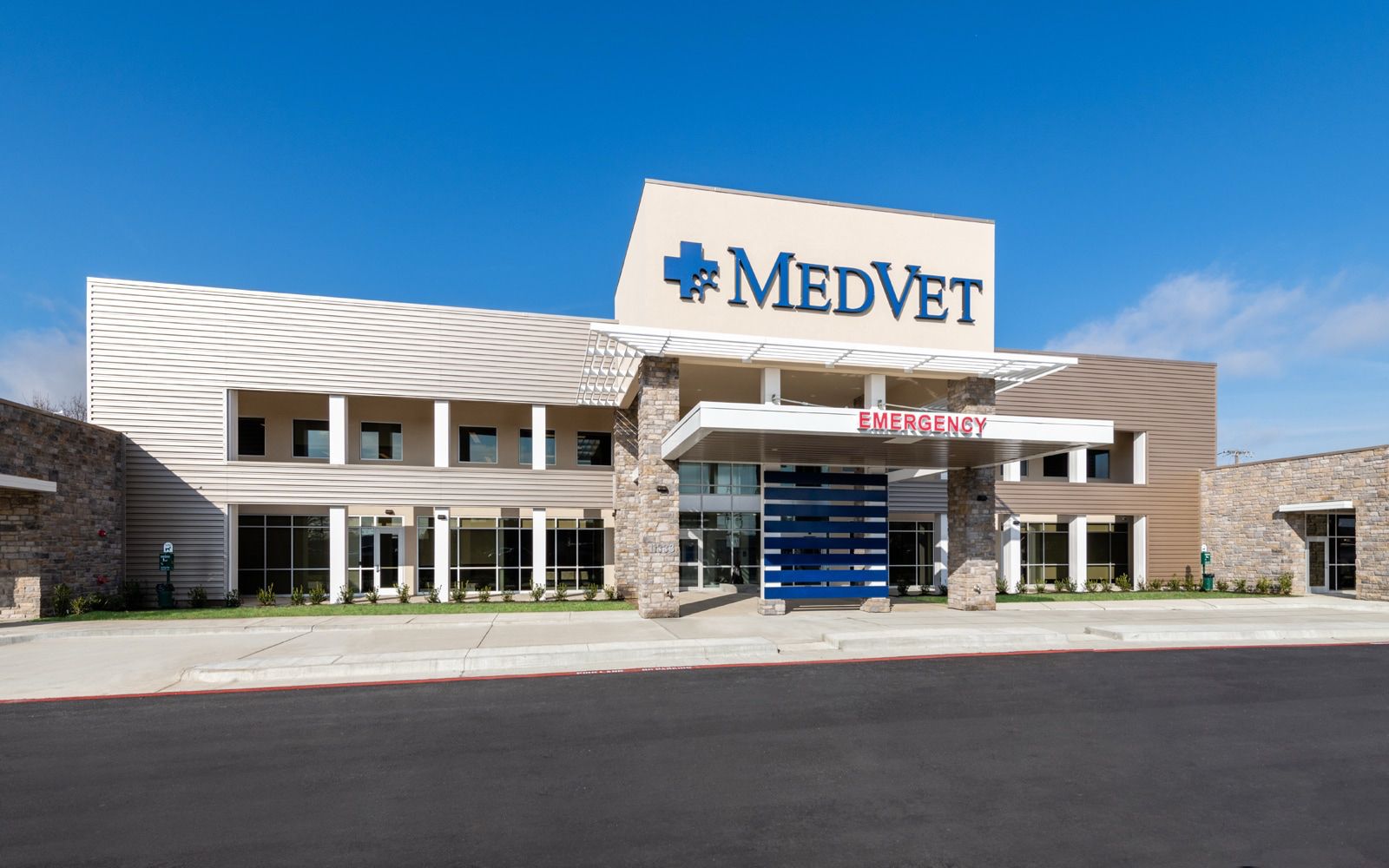
Executive Summary
This project demonstrates how a disciplined documentation protocol—combined with aggressive internal coordination—can compress a traditionally multi-week MEP cycle into a 72-hour execution window without surrendering technical depth. The deliverable was not a “sketch package”; it was a coordinated MEP permit set intended to support plan review, contractor bidding, and field installation with traceable sizing assumptions and internally consistent schedules.
The Challenge
Veterinary hospitals combine clinical airflow priorities, high process water and waste loads, and electrical diversity that spans general receptacles, imaging or procedure support, and mechanical plant—all within architectural volumes that are often ceiling-constrained. Dallas-area projects must also align with adopted mechanical, plumbing, electrical, and energy code expectations applicable at the time of submittal, including documentation paths reviewers use to validate ventilation, combustion air where relevant, service sizing, and energy compliance narratives.
The explicit constraint was calendar time. That forced early decisions on: (1) what constitutes “frozen” architectural backgrounds for routing; (2) which equipment schedules are authoritative for load and CFM; (3) how ventilation zones map to infection-control intent without over-documenting undefined future equipment; and (4) how QA would run concurrently with drafting rather than after it.
Delivery Model Under Compression
Mobilization and scope freeze
Accelerated delivery depends on a single source of truth for backgrounds and equipment. TS9Designs staged intake to lock panel targets, rooftop or mechanical yard allowances, main service entry assumptions, and core vertical riser zones. Any post-freeze architectural shift becomes a formal revision; without that rule, three-day delivery is not repeatable.
Parallel workstreams
Electrical and mechanical leads worked in parallel against shared ceiling and shaft assumptions, with plumbing risers validated against structural slab openings where provided. A rolling clash matrix—ceiling zones, corridor bulkheads, and above-ceiling MEP priority order—was used to resolve conflicts in hours, not weeks.
QA as a throughput gate
QA checks were scheduled as blocking tasks: feeder continuity, panel schedule totals vs. plan annotations, CFM totals vs. diffuser counts, fixture unit tallies vs. waste sizing, and general notes vs. sheet-specific requirements. The objective was reviewer-grade consistency: if a reviewer asks “where is this supported?”, the answer exists on the sheets or in an attached calculation summary.
Mechanical Engineering
Load methodology and zoning
HVAC zoning was organized around occupancy type, internal gains, and ventilation class rather than a single open-office assumption. Treatment, imaging support, pharmacy-adjacent support, isolation holding, and public circulation were separated where operational schedules and setpoints diverge. Where isolation or odor-control narratives applied, exhaust and supply relationships were documented so the mechanical intent is legible without oral supplement.
Ventilation and outdoor air
Outdoor-air strategy was documented against applicable ventilation criteria, with explicit accounting for zone-level OA, relief or exhaust pathways, and economizer or fixed-minimum OA logic where used. Filtration intent was stated at the air-handling level (MERV targets) consistent with clinical reliability expectations and maintainable field practices.
Equipment selection interface
Major equipment schedules captured design CFM, external static assumptions, electrical MCA/MOCP interface values, and condensate management. This reduces the common failure mode where mechanical equipment is selected but electrical service growth is discovered late.
Electrical Engineering
Service and distribution
Service sizing followed a connected load → demand factor → feeder narrative aligned with NEC-based practice for branch and feeder design. Panelboards were organized by load class: mechanical plant, general receptacles, lighting, and dedicated equipment branches. Spare capacity strategy was documented where the owner expects post-permit equipment additions, without masking true demand on day-one loads.
Lighting and controls
Lighting layouts separated task, circulation, and clinical functional layers where applicable, with control intent compatible with energy code expectations (automatic shutoff, occupant sensing where appropriate, and zoning that matches HVAC boundaries where controls integration is beneficial).
Equipment branch circuits
Dedicated circuits were allocated for motor loads, imaging or procedure support, and mechanical equipment requiring lockable disconnect visibility per common installation rules. Harmonic and neutral loading considerations were flagged where inverter-driven equipment could impact neutral sizing or panel heat—common in modern clinical and support spaces.
Plumbing Engineering
Domestic water and sanitary
Domestic cold and hot water systems were sized using fixture-unit methodology, with peak simultaneous use assumptions appropriate to a high-throughput clinical environment. Hot-water generation and recirculation strategy was documented to reduce dead-leg risk in long branch layouts while avoiding oversizing that inflates first cost and standby loss.
Specialty coordination
Floor drains, trench routing intent, cleanout accessibility, and indirect waste connections were coordinated with architectural finishes and slab slopes. Grease or specialty waste streams were handled only where applicable to program—otherwise documentation stayed strictly within confirmed scope to preserve permit clarity.
Cross-Discipline Coordination
TS9Designs treated coordination as a first-class deliverable: ceiling reflected plans showed primary routing order; above-ceiling conflict zones were resolved against lighting fixture maintenance zones and access panels; and plumbing venting was checked against joist or deck penetrations where structural data was available. The outcome is a set where trades can bid with less contingency because routing intent is explicit.
Permitting and Code Documentation
The submittal was structured for Dallas-area review workflows: clear code references on sheets, calculation summaries where prescriptive or performance paths require them, and consistent abbreviations across disciplines. Energy documentation was aligned with the applicable energy compliance path so mechanical and lighting assumptions do not contradict the compliance forms.
Construction Documentation Deliverables
- Full electrical permit drawings: service, distribution, branch power, and lighting
- Mechanical permit drawings: HVAC plans, schedules, details, and ventilation summaries
- Plumbing permit drawings: domestic, sanitary, venting, and equipment connections
- Panel schedules and one-line or riser documentation as required by scope
- Coordination notes and QA markups integrated prior to issue
Outcomes
The facility received a coordinated, permit-oriented MEP package produced on an aggressive calendar—demonstrating that speed and technical completeness are compatible when process, scope freeze, and QA discipline are non-negotiable.
If you’re on a compressed schedule, we can mobilize immediately—with the same expectation management: frozen inputs, defined deliverable boundaries, and concurrent coordination so electrical, mechanical, and plumbing remain one story, not three competing narratives.
Technical Best Practices for Accelerated MEP Programs
- Freeze backgrounds and equipment schedules before hour zero of production.
- Run feeder and ventilation totals as daily checks—not end-of-project surprises.
- Align lighting zones to HVAC boundaries where controls and energy paths interact.
- Document OA, exhaust, and pressurization intent where clinical zones require it.
- Package reviewer questions preemptively: calculations adjacent to claims.
- Keep scope explicit; deferral is cheaper than rework, but only if communicated early.
Need a full MEP set on a hard deadline? TS9Designs delivers coordinated, permit-ready mechanical, electrical, and plumbing documentation—and we can mobilize on compressed schedules when scope and inputs are aligned.